
Gavin@mingspak.com
+8613809623005
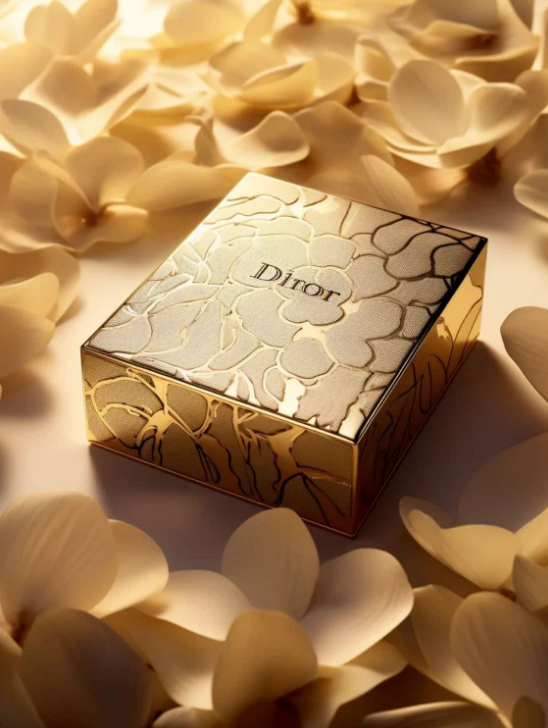
At this Canton Fair we took a booth in the premium paper gift packaging section.
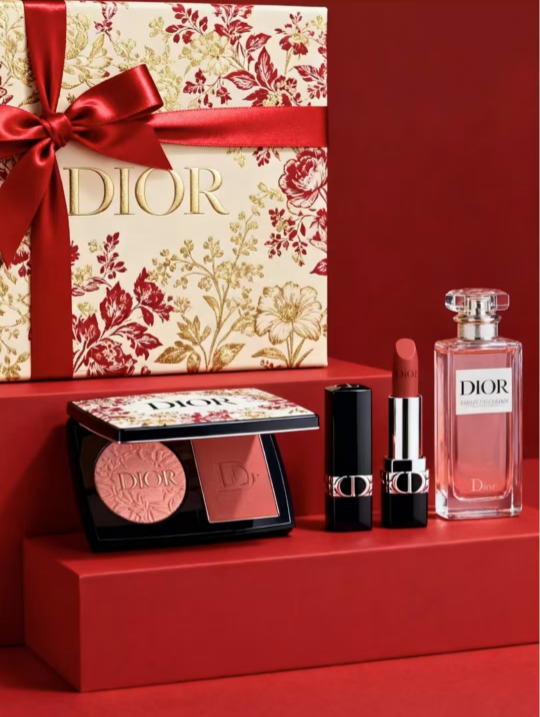
We had plenty of samples on the stand, but the one that actually stopped people was a signature luxury gift box we had made ourselves.
The team from Dior Dior stopped right in front of that box.
They didn't stand on ceremony — they lifted the lid straight away. Turned it over to look at the sides, ran a hand across the surface finish, closed it, and gave it a weigh in their hands. They didn't say much the whole time. After enough years in packaging you learn that when a customer is willing to pick your sample up and turn it over in their hands, that means more than ten polite rounds of "nice work."
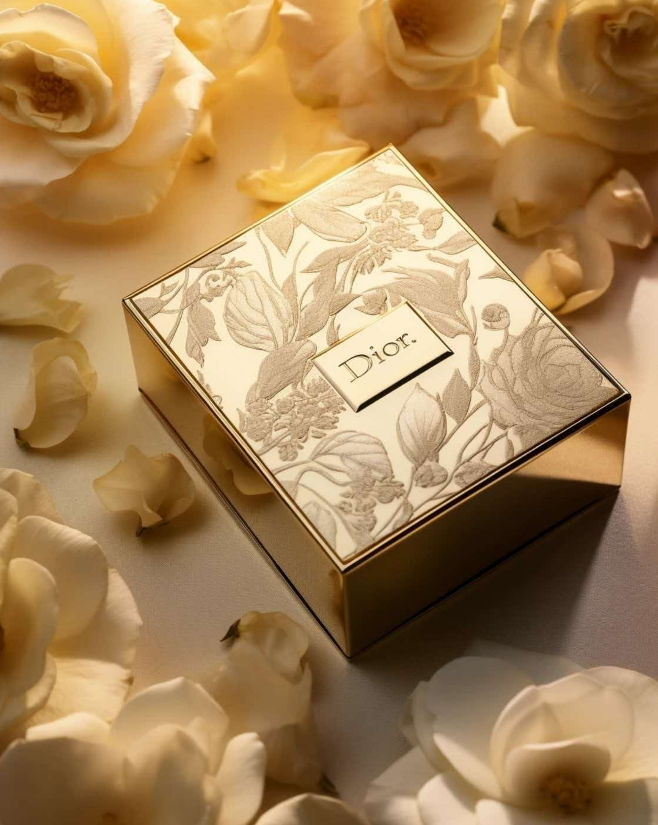
Then we talked for a while. What size and shape their product is, in what setting the box will end up being handed to their customer, and on our side what box structures we normally build and which finishing techniques we are strongest at. No talk of price, no talk of quantities — just two sides taking an honest measure of each other. We exchanged business cards and contact details that day. Truth is, we didn't expect much at first; plenty of conversations that lively on a booth floor go nowhere afterwards. But this one was different. The emails kept going back and forth after the show, both sides clearly willing to carry it forward, and that was a good start.
After that came the real negotiation. What a house like Dior demands of packaging is not simply "look expensive." Their product is worth a great deal on its own, so the box has to hold its weight without stealing the spotlight from what is inside — and that balance is genuinely hard to get right. We didn't rush a quote. We put a packaging design proposal in front of them first: the box structure through to the way it opens, explaining point by point why we did it that way, and also where we advised them not to go. That step matters more than people think. A customer is never looking for a factory that merely follows their drawings; they are looking for someone who will actually think hard about the object in their hands.
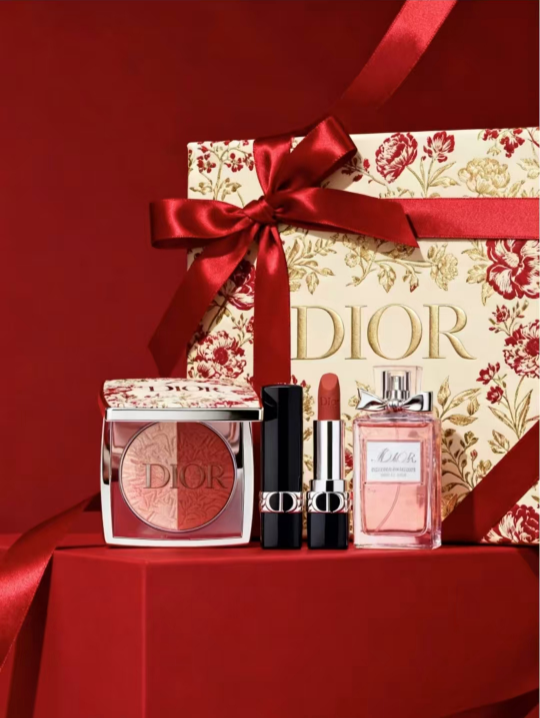
They cared a lot about minimum order quantity. Brand gift boxes tend to follow festive campaigns, limited editions and different markets, so the volumes are small and the requirements move fast. That is something we can handle as standard, and we said so plainly: small-batch customisation is fine. They came straight back with the obvious question — if the quantity is small, does the unit price jump? We did not dodge it. We walked them through exactly where small runs add cost in the process, and let them judge for themselves. We confirmed several rounds back and forth that day, and it never stalled.
Free sampling is a separate layer of the same problem. It sounds like a slogan, but when it comes down to the actual box, whether the customer has something real in their hands changes everything. We build to the true dimensions and shape of their product: how the insert holds the goods, how the logo is presented, which speciality finishing technique to use — all of it goes into the sample box and gets shipped over. Once the sample arrives, you no longer have to relitigate every detail in correspondence. The customer gives feedback looking at a physical object, and revisions go much faster.
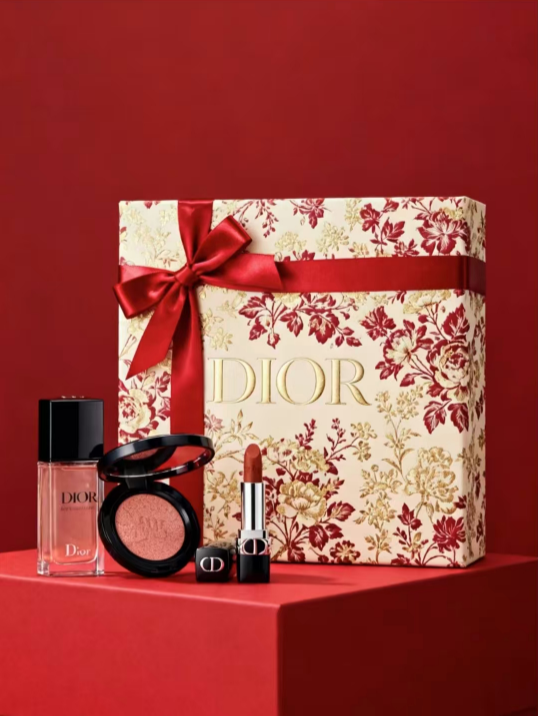
The recycled material conversation went deeper than we had expected. Their questions were direct: is the material traceable, and can it be reused? We work in recycled renewable material that can be used again and again. A couple of years ago a buyer would not have pushed that hard. Now it is a required question, and answering it once is not enough — you have to keep answering it across a long partnership.
There was backtracking along the way, too. How a technique should be executed, the delivery rhythm, which round of samples counts as final — both sides gave ground at different points. When the order finally landed there was no dramatic moment: one email back, and then we started scheduling the production stages.
Going through this deal left us with a few plain conclusions. The sample you put front and centre on the stand does more than any brochure — the customer has to be stopped by the box before they will listen to anything else you say. Free sampling plus small batches is really about lowering the risk of doing business with you for the first time; nobody should have to commit a warehouse full of stock just to test an idea. And as for speciality craftsmanship, saying you have it proves nothing — they have to feel it in their hands.
Contact: Gavin
Phone: +8613809623005
E-mail: Gavin@mingspak.com
Whatsapp:+8613809623005
Add: 11#,Chuangsheng Road,Changan Town, Dongguan City, Guangdong Province,China 523867
We chat
