
Gavin@mingspak.com
+8613809623005
April 2026, Shenzhen World Exhibition & Convention Center.
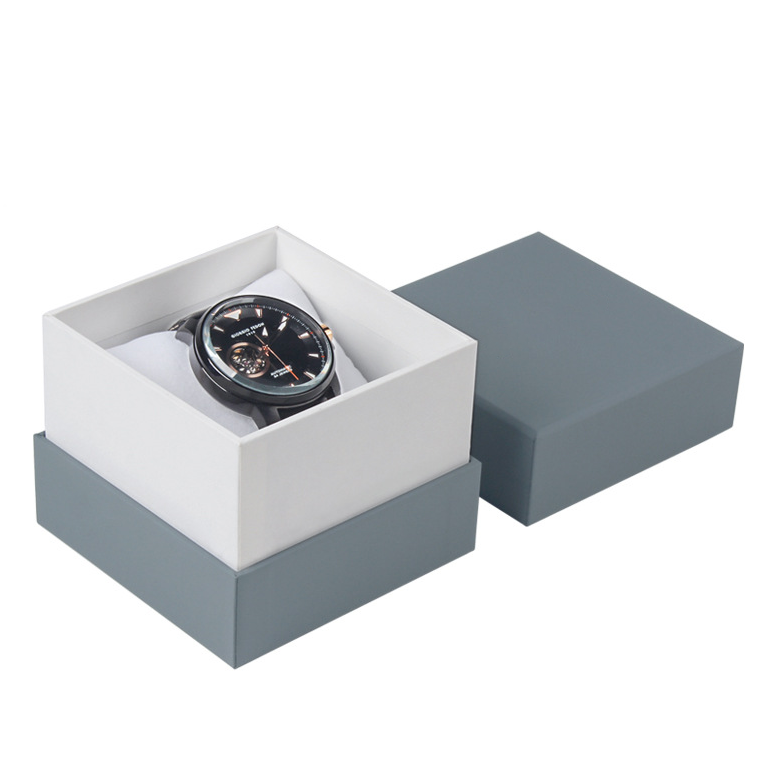
WEPACK — the World Expo of Packaging Industry. Eight halls opened at once, and the aisles never really emptied. On our stand sat a single luxury gift box. It was not the largest piece we brought. It was the one people stopped for longest.
That is where Cartier's procurement lead stopped. She circled half the booth, leaned in to study how the lid opened and closed, pressed the corners with her fingertips, and then asked a very direct question: could this be made in small runs?
Behind that question was a set of demands that are anything but simple.
First, small-batch production. High-end brands move fast, and individual styles rarely call for large volumes — but no style can afford to slip on standard. Second, made-to-measure design. The box has to grow around the product: dimensions, structure, the way it opens, all calculated from zero. Third, professional packaging design references. A client doesn't just need a pair of skilled hands; it needs a partner who can think alongside it. Fourth, specialty techniques and handcraft. Some textures simply cannot come from a machine.
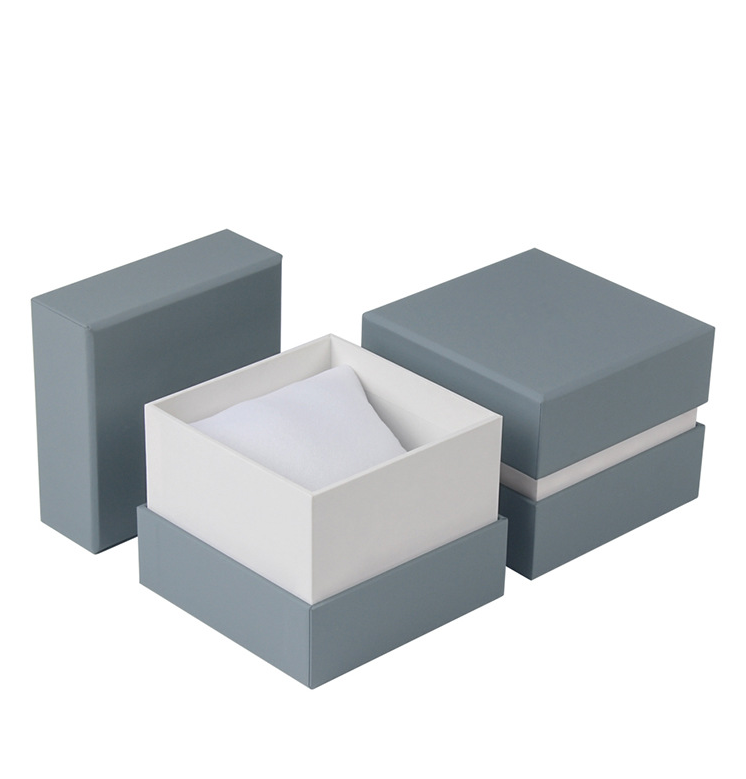
Those four requirements happen to be exactly where we are strongest.
Small batches mean you cannot spread cost across volume — you can only rely on disciplined process control and consistency by hand. Made-to-measure means there is no template; every box is a fresh set of calculations. Design references call for craft knowledge and restraint in equal measure: which material, how far to push a color, which layer the foil belongs on, where to hold back and where to make a statement. And handwork is the part where half a millimeter shows — the wrapped edge, the glued panel, the fit of the insert. You can feel the difference before you can explain it.
Conversation at the show was easy. No formalities, no circling around. We talked about the things that actually mattered: could the structure change, how long would it take, when could a sample be ready. By the end of it, both sides knew this was worth pursuing.
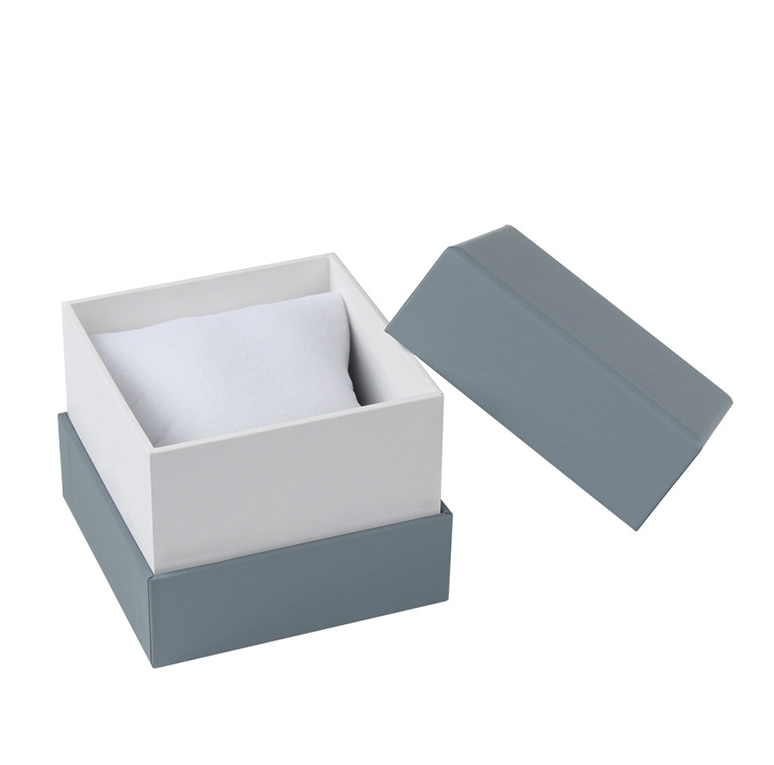
What followed was a process that was methodical and unforgiving in equal measure. In the first sampling round we sent over our proposals on structure, material and technique, together with design references. The client came back with comments. We adjusted and sampled again. Samples traveled back and forth; one issue after another was surfaced and resolved. Communication stayed smooth and feedback stayed specific, and that rhythm moved us faster than we had expected.
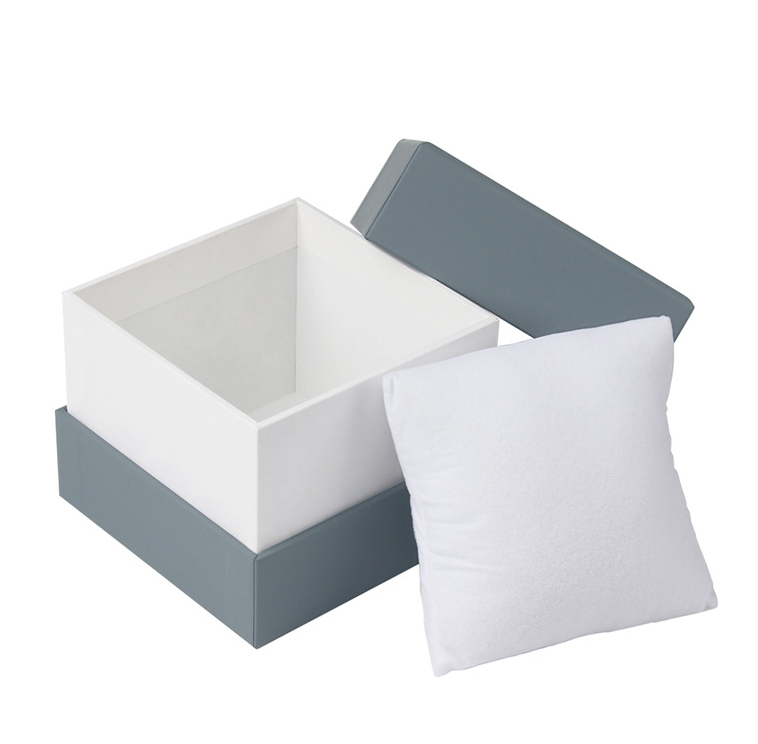
The real test always lives in the details: the soft click when the lid closes, how the insert holds the product, the flatness and radius of a finished corner. None of that shows up on a drawing. It only comes from trying, by hand, again and again.
Contact: Gavin
Phone: +8613809623005
E-mail: Gavin@mingspak.com
Whatsapp:+8613809623005
Add: 11#,Chuangsheng Road,Changan Town, Dongguan City, Guangdong Province,China 523867
We chat
